Doctors Rely on More than Just Data for Medical Decision Making
- Details
- Category: Research
App, Brief Intervention may be Lifesaver for Suicidal Teens
- Details
- Category: Research
IMI Launches New Antimicrobial Resistance Accelerator Programme as Part of Latest Calls for Proposals
- Details
- Category: Open Calls
 A new Antimicrobial Resistance (AMR) Accelerator Programme is part of new Calls for proposals launched today by the Innovative Medicines Initiative (IMI). Of the other topics launched in the Calls, many address brain disorders (e.g. Alzheimer's disease, Parkinson's disease, Huntington's disease, major depression) and immune-mediated diseases (e.g. rheumatoid arthritis and lupus as well as inflammatory bowel diseases such as Crohn's and colitis, and skin diseases like dermatitis and psoriasis).
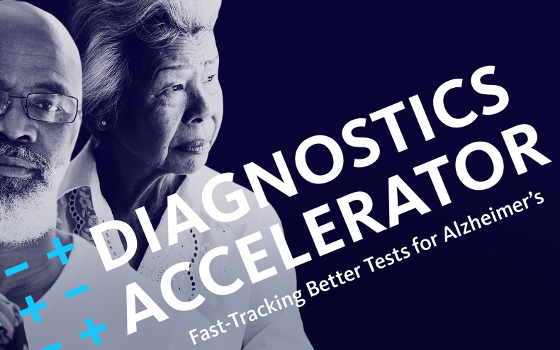
New Coalition of Philanthropists Including Bill Gates and Leonard Lauder Commit More Than $30 Million to Develop New Tools to Diagnose Alzheimer's Disease
- Details
- Category: Industry
New Partnership with IDA Ireland Bolsters Cerner's Commitment to Drive Innovation and Advance Population Health Intelligence
- Details
- Category: Industry
 Cerner has announced the plans to significantly grow its Dublin hub for research and development. Working with the support of the Irish Government through IDA Ireland, will be created 50 new roles focused on R&D and the improvement of data intelligence and population health management for the European clients.
Wearable Device can Predict Older Adults' Risk of Falling
- Details
- Category: Research
EDPS-IPEN Privacy by Design Contest for Mobile Health (mHealth) Applications
- Details
- Category: Industry
AAL Market and Investment Report
- Details
- Category: Download
 The AAL Market and Investment Report was commissioned by the Ambient Assisted Living Association and aims to provide a consolidated view of the existing market and investment information in Europe for the AAL domain. It covers data relevant for AAL and related technologies including current status, trends and future perspective for opportunities in the European Union (EU) and where possible link those to innovation in delivery of services.
The AAL domain broadly represents solutions (i.e. bundled products and services) that have an information and communication technology (ICT) component and are of direct value for older people, their families and carers to
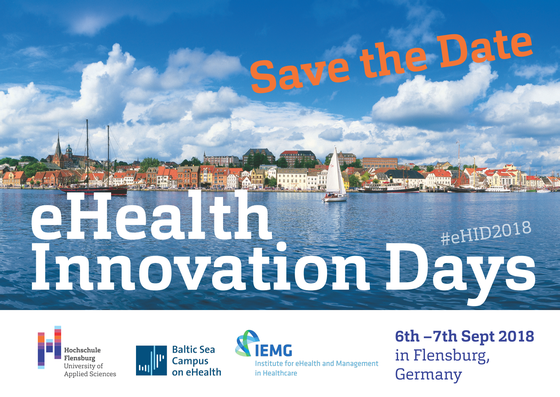
#eHID2018 eHealth Innovation Days 2018
- Details
- Category: Events
The 3rd eHealth Innovation Days will take place on 6 and 7 September 2018 at Flensburg University of Applied Sciences (FUAS). As a part of the Baltic Sea Campus on eHealth (est. 2015), the eHealth Innovation Days (eHID) focus on reinforcing eHealth in the Baltic Sea Region. The main topic this year will be "Open Healthcare" which highlights the importance of participatory and cooperative aspects of eHealth and related disciplines.
St Helens Reduces Patient Mortality Risk with Digital Fluid Balance Project
- Details
- Category: Industry
 NHS professionals at a North West trust have been shortlisted for the prestigious national Patient Safety Awards, following important work around rapid response for deteriorating patients. The team at St Helens and Knowsley Teaching Hospitals NHS Trust innovated with their Patientrack electronic observations system to tackle a major cause of complications for patients on intravenous fluids and electrolytes.