Brain-Computer Interface Allows Completely Locked-in People to Communicate
- Details
A brain-computer interface that can decipher the thoughts of people who are unable to communicate could revolutionize the lives of those living with complete locked-in syndrome according to a new paper published in PLOS Biology. Counter to expectations, the participants in the study reported being "happy" despite their condition.
Wearable AI System can Detect a Conversation's Tone
- Details
It's a fact of nature that a single conversation can be interpreted in very different ways. For people with anxiety or conditions such as Asperger's, this can make social situations extremely stressful. But what if there was a more objective way to measure and understand our interactions?
Discrepancy Between What Symptoms Patients Report, What Appears in Electronic Medical Record
- Details
Researchers found significant inconsistencies between what symptoms patients at ophthalmology clinics reported on a questionnaire and documentation in the electronic medical record, according to a study published online by JAMA Ophthalmology. The percentage of office-based physicians using any electronic medical record (EMR) increased from 18 percent in 2001 to 83 percent in 2014.
Good Outcomes with 'Telepsychiatry' in Medical Treatment of Opioid Use Disorder
- Details
For people with opioid use disorder receiving medication treatment with buprenorphine, a telepsychiatry approach - using videoconferencing as an alternative to in-person group sessions - provides similar clinical outcomes, reports a study in the Journal of Addiction Medicine, the official journal of the American Society of Addiction Medicine (ASAM). The journal is published by Wolters Kluwer.
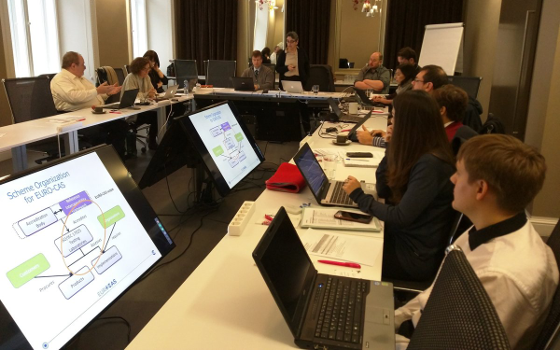
Paving the Way for eHealth Interoperability: The EURO-CAS Project Launches Today
- Details
The EURO-CAS project launched operations today to deliver the eHealth Conformity Assessment Scheme for Europe in 2018. This scheme will help European health systems assess the conformity of eHealth products and solutions with international standards, and will enhance vendors' visibility by offering public recognition of conformity of their products.
DIY Live Cell Imaging Using a Smartphone
- Details
A recent study from Uppsala University shows how smartphones can be used to make movies of living cells, without the need for expensive equipment. The study is published in the open access journal PLOS ONE, making it possible for laboratories around the world to do the same thing.
What Kind of Selfie Taker Are You?
- Details
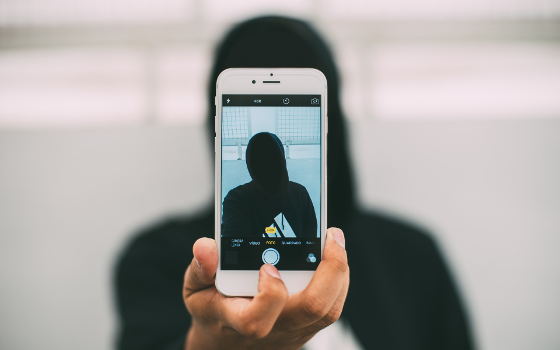
You do it. Your mom, dad, siblings and friends probably do too. World leaders and entertainers do it - though some better than others. Your friend did it on her vacation last week and you gave her a thumbs-up. But why?
More Digital Health News ...
- The Beating Heart of Solar Energy
- New Virtual Reality Technology may Improve Motor Skills in Damaged Limbs
- European Commission Seeks Input on a Reflection and Orientation Paper on Smart Wearables
- Gene Editing Takes on New Roles
- 'Pulling' Bacteria out of Blood
- Smartphone Apps May Help Study Cardiovascular Health, Behaviors
- Artificial Beta Cells